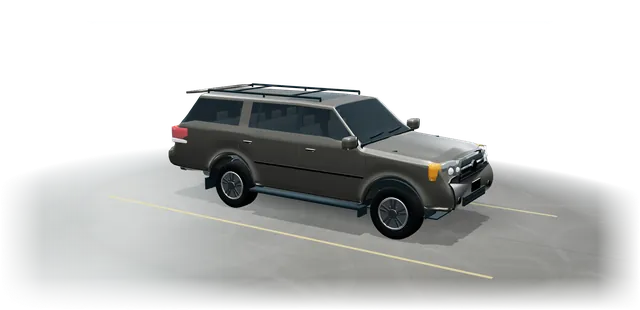
What to check on a 2001 to 2007 Toyota Sequoia, and when to change it
The short answerA first-generation Sequoia needs oil every 5 months or 5,000 miles, a brake and front-end check once a year, and its timing belt and water pump at 90,000 miles or 9 years. Every one of these trucks is now well past 9 years old, so time matters as much as miles. Call (805) 745-1992.
See our services on a 3D truck
Pick one of our services, or start with what your truck is doing. All 40 parts are named, with what to check and when to change each one.
It loads only when you ask, so this page stays fast.
Drag to turn the truck. Pinch, or hold Ctrl and scroll, to zoom. Pick a service and the truck turns see-through so its parts stand out.
Start here
Pick a service
Choose one of our services and the truck shows every part it covers. Not sure which? Switch to “By symptom” and start with what it’s doing.
What to ask about, and when
Pick the point closest to where you are. You’ll get the list of what usually comes up around then, and you can show it on the truck.
Last updated October 19, 2026.
This is a simplified model, not a factory drawing. Part positions are approximate and intervals are typical ranges. Your owner’s manual, your service records and how you drive decide the real schedule. The shape and under-hood layout were checked against photos of 2005 to 2007 trucks. Where the model says “owners report”, that comes from owner survey data, not from our shop. We’ll tell you what we see when you bring it in.
Open a system to read about its parts: what each one does, what to check, when to change it, and the service that covers the work.
Engine 7 parts
1Engine oil and filter
Oil keeps the moving parts in the 4.7L V8 from grinding on each other and carries heat away. The filter catches grit.
What to check
Pull the yellow dipstick on the driver’s side once a month, on level ground with the engine off a few minutes. Look for low level, dark gritty oil, or a milky look. Look under the truck for drips.
When to change it
Every 5 months or 5,000 miles, whichever comes first. Many owners using full synthetic stretch it, so ask us. Sooner if you tow or make short trips. The engine takes 5W-30, roughly 6.5 quarts with a filter. Confirm in your manual.
Plugs light the fuel in each cylinder. A coil on each plug makes the spark.
What to check
Rough idle, hesitation, poor mileage, hard starts, or a flashing check-engine light point here. Owners report ignition coil packs failing on these trucks.
When to change it
It depends on the year. 2001 to 2004 trucks came with standard plugs on a much shorter interval, about every 30,000 miles. 2005 to 2007 trucks use iridium plugs, commonly replaced around 120,000 miles. Check your owner’s manual for your year. If you don’t know whether they were ever done and the odometer is past that, treat them as due. Coils get replaced when they fail.
The filter keeps dust out of the engine. The airflow sensor tells the computer how much air is coming in.
What to check
The airbox is the big black box at the front on the passenger side. Open it, pull the filter and hold it to a light. If you can’t see light through it, or it’s full of leaves and dust, it’s done. A dirty airflow sensor can cause hesitation.
When to change it
Filter typically every 15,000 to 30,000 miles, sooner on dusty roads or after camping and dirt-road trips. The sensor is cleaned or replaced only if it causes a problem.
Valve cover gaskets seal oil inside the top of the engine. The PCV valve vents pressure from inside the engine.
What to check
Look for oil seeping around the edges of the valve covers or dripping onto the exhaust (a burning-oil smell). A clogged PCV valve can cause rough idle or oil leaks.
When to change it
No fixed interval. Replace gaskets when they leak. PCV valves are typically checked or replaced around 60,000 miles.
One long belt runs the alternator, power steering pump and water-pump-side accessories. A tensioner keeps it tight and idler pulleys guide it.
What to check
Look for cracks, glazing or fraying on the belt. Listen for squealing at start-up or a chirp or grinding hum from a pulley. Owners report the idler pulley wearing out on these trucks.
When to change it
Typically inspect at every oil change and replace the belt around 60,000 to 100,000 miles or when it cracks. Replace the tensioner or idler when they get noisy or rough.
The timing belt keeps the valves and pistons in step, and it also turns the water pump that moves coolant through the engine.
What to check
You can’t see this belt from outside. Look for records. Look for coolant or oil seeping near the front cover and a damp spot under the water pump.
When to change it
The 4.7L V8 uses a timing belt, commonly replaced at 90,000 miles or 9 years, whichever comes first. Every first-generation Sequoia is now well past 9 years old, so time matters as much as miles. If there’s no record it was done, treat it as due. A broken belt stops the engine and can cause serious damage. The water pump is usually replaced at the same time.
The radiator sheds engine heat to the air. Rubber hoses carry coolant to and from it.
What to check
Squeeze the hoses when cold: they should be firm, not mushy or cracked. Look for crusty white or green residue on the radiator or hose ends. Watch the temperature gauge.
When to change it
No fixed interval. Hoses and radiators age out, often at 10 years or more. Replace when soft, swollen or leaking.
Coolant carries heat away and keeps the engine from freezing or corroding. The thermostat holds the engine at the right temperature.
What to check
With the engine cold, check the level in the white overflow bottle at the front corner on the driver’s side. Coolant should be a clean color, not rusty or oily. Never open the cap on a hot engine. A gauge that runs hot or never warms up points at the thermostat.
When to change it
Often every 5 years or 60,000 miles on older formulas, longer on newer ones. Because these trucks are older, ask us when yours was last done. The thermostat is usually replaced with the coolant if it’s original.
A belt-driven compressor pumps refrigerant through a condenser in front of the radiator to cool the cabin.
What to check
Run the A/C on a warm day. Notice air that isn’t cold, a compressor that clicks on and off quickly, a musty smell, or water on the passenger floor. Look for oily residue on the A/C lines and fittings.
When to change it
There is no set interval. It gets repaired when it stops cooling or leaks. A clogged cabin air filter also weakens the airflow.
We service car A/C. See our A/C repair page, or call (805) 745-1992.
An electric pump inside the roughly 26-gallon tank pushes fuel to the engine. The filler door is on the driver’s side at the rear. A float sender tells the gauge how full it is.
What to check
A whine from the back, long cranking, stalling, or a fuel gauge that jumps or reads wrong. Owners report the fuel level sender failing on these trucks.
When to change it
No fixed interval. Replace when it fails. Don’t run the tank near empty all the time, because the pump uses fuel to stay cool.
The pipes carry exhaust to a single tailpipe at the right rear, the muffler quiets it, and thin metal heat shields protect the underbody.
What to check
A rattle (often a loose heat shield), a louder or deeper exhaust note, soot at joints, or visible rust holes. Owners report exhaust heat shields rattling on these trucks.
When to change it
No fixed interval. Replace or repair when rusted through or leaking. Salt air near the coast speeds up rust.
The automatic transmission (4-speed through 2004, 5-speed from 2005) uses fluid to shift gears and to cool itself. Heat is its biggest enemy.
What to check
Check the color and smell of the fluid. Clean is red or pink. Brown or burnt-smelling is overdue. Notice hard shifts, slipping, or drips under the middle of the truck.
When to change it
Check your manual. Light use is often 60,000 to 100,000 miles. Towing, hauling or hot weather means 30,000 to 60,000. Use the Toyota-spec fluid the manual lists.
Brake fluid carries the pedal’s push to all four wheels. The master cylinder is where it starts.
What to check
The reservoir sits at the back of the engine bay on the driver’s side. Check the level and color: honey is fine, dark brown is overdue. A pedal that sinks, or fluid that keeps dropping, means a leak.
When to change it
Many makers say every 2 to 3 years, because the fluid absorbs moisture. Ask when yours was last done.
Shocks settle the truck after a bump. Worn shocks make it bounce, wear tires unevenly and lengthen stopping distance. Owners report them as a common issue.
What to check
Push down hard on a corner of the truck. It should settle in one rebound. Look for oily wetness on the shock body and cupped tire wear.
When to change it
Commonly 50,000 to 75,000 miles. Towing shortens that. Replace in pairs.
Coil springs hold the truck’s weight. In back there’s a solid axle with a coil spring at each side, and some trucks have a load-leveling air system. Owners report coil springs as a common issue.
What to check
Look for a truck that sits low on one corner, cracked or broken spring ends, and a clunk from the rear over bumps.
When to change it
No fixed interval. Replace in pairs when sagging or broken. If yours has air suspension, ask us to check it.
The pump gives you power assist so the steering wheel is easy to turn.
What to check
The reservoir with the black cap is on the passenger side. Check the level at oil changes. A whine when you turn, hard steering, or dark fluid means it needs attention.
When to change it
Check the manual. Many shops suggest a flush around 60,000 miles or when the fluid is dark. Replace the pump if it whines or leaks.
The only part of the truck that touches the road. Original sizes were P265/70R16 or P265/65R17. Your door placard has yours.
What to check
Pressure monthly, using the door placard number and not the sidewall. Look at tread depth, sidewall cracks and the date code. On 4WD, keep all four matched.
When to change it
Replace at 2/32 inch of tread or at 6 to 10 years, whichever comes first. Rotate every 5,000 to 7,500 miles.
Wheels carry the tires, and balance weights keep them from shaking.
What to check
A shake at 55 to 70 mph, a missing weight (a clean spot on the rim), curb rash or a bent rim, and lug nuts that look loose or rusty.
When to change it
Rebalance with every new tire, after a flat repair, and any time you feel a vibration. Replace a wheel if cracked or bent. Re-torque lug nuts after any wheel service.
The battery starts the engine and runs everything when the engine is off.
What to check
The battery sits at the front on the driver’s side. Look at the date sticker, check the terminals for white or blue crust, and notice if the engine cranks slowly in the morning.
When to change it
Batteries commonly last 3 to 5 years. Test it once a year after year three. Salt air near the coast speeds up terminal corrosion.
The starter motor spins the engine to get it going. On this V8 it sits under the intake manifold, so replacing it takes more labor than on most trucks.
What to check
A click or grind when you turn the key, slow cranking with a good battery, or starting that works only sometimes.
Fuses protect each circuit. Relays switch heavy loads like the fuel pump and fans.
What to check
The under-hood fuse box is behind the battery. Something that suddenly stops working, such as a power window, wipers or horn, often traces to a blown fuse or a bad relay.
When to change it
Replace blown fuses with the same rating. A fuse that keeps blowing means a wiring problem to trace.
The wipers clear the windshield. The washer sprays fluid.
What to check
Streaks, chatter, or blades that lift, front and rear. The washer filler is the white neck at the front corner on the passenger side.
When to change it
Wiper blades typically every 6 to 12 months.
We stock Michelin wiper blades in the front office. Ask us to fit a pair.
40Frame and underbody
The steel ladder frame carries everything else. Rust is the thing to watch, especially near the coast.
What to check
Look at the frame rails, crossmembers and the area around the spare tire for flaking or swollen rust. Tap with a screwdriver handle. Solid steel rings. Rust sounds dull.
When to change it
Not a replacement part. Wash the underside after beach trips, and have it inspected yearly after 15 years.
Ask us to look at your frame next time it’s in.
Questions owners ask
What years are the first-generation Toyota Sequoia?
The first generation was built for the 2001 through 2007 model years. It came with a 4.7-liter V8 and an automatic transmission, in two-wheel or four-wheel drive.
Does the first-generation Sequoia have a timing belt or a chain?
The 4.7-liter V8 uses a timing belt. The commonly cited replacement point is 90,000 miles or 9 years, whichever comes first, and the water pump is usually done at the same time. Because these trucks are now well past 9 years old, an original belt is overdue by age even with low miles.
What oil does a 2001 to 2007 Sequoia take?
Many call for 5W-30. Check your oil cap or owner’s manual, because it depends on the year and engine.
How often should I service a high-mileage Sequoia?
Oil every 5 months or 5,000 miles, brake and front-end inspection every year, and fluids on the schedule in your manual. If you tow, shorten the intervals for transmission, differential and transfer-case fluid.
What are the most commonly reported problems on these trucks?
Owner surveys most often list catalytic converters, coil springs, shocks, exhaust heat shields, the fuel level sender, the serpentine belt idler pulley and ignition coil packs. Every one of those is flagged in the guide above.
Can Beach Motor & Tires work on my Sequoia?
Yes. We work on cars, trucks and 4x4s. Call (805) 745-1992 with the year and what it’s doing.